




Introduction: The TikTok Ads Question Every Founder Is Asking
You’re staring at your ad budget spreadsheet, calculator in one hand, coffee in the other. Meta’s getting expensive. Google’s competitive. And TikTok? It’s sitting there like a mystery box you’re not sure you should open.
Here’s what’s changed: TikTok isn’t just teenagers dancing anymore. It’s become a revenue-generating machine for brands who get it right. We’re talking six-figure months, not viral vanity metrics.
But let’s be honest—you’re working with finite resources. Every dollar you spend on TikTok is a dollar you’re not putting into channels you already understand. That pressure? It’s real.
This article cuts through the hype with actual ROI data, industry-specific benchmarks, and a framework to decide if TikTok fits your growth strategy. Fair warning: TikTok ads aren’t for everyone. But when they work, they scale faster than almost anything else. The question isn’t whether TikTok works—it’s whether it works for you.
TikTok Ads in 2026: What’s Changed Since 2024
TikTok’s ad platform has grown up—fast. The scrappy underdog of 2024 is now a sophisticated advertising machine that’d make Meta sweat.
Here’s what actually matters: the algorithm’s gotten scary good at finding buyers, not just viewers. The platform now delivers conversion-optimized ads with precision that rivals (and sometimes beats) established channels. You’re not just throwing content into the void anymore.
The user base has also matured beyond recognition. Those “TikTok is for teens” arguments? Dead. The 2026 demographic spread runs from 18 to 55+, with purchasing power concentrated in the 25-44 range. Your customers are there—whether you’re selling productivity software or collagen supplements.
TikTok’s business tools have caught up too. Enhanced pixel tracking actually works now (shocking, right?). Attribution models give you real visibility into what’s driving sales. The analytics dashboard doesn’t feel like it was designed by someone who’s never run an ad campaign.
This evolution mirrors what’s happening across digital marketing. Just as AI search is rewriting visibility rules, TikTok’s shifted from pure brand awareness to full-funnel conversions. You can now build an entire acquisition strategy on the platform—not just grab attention.
The Real Numbers: TikTok Ad Performance Benchmarks by Industry
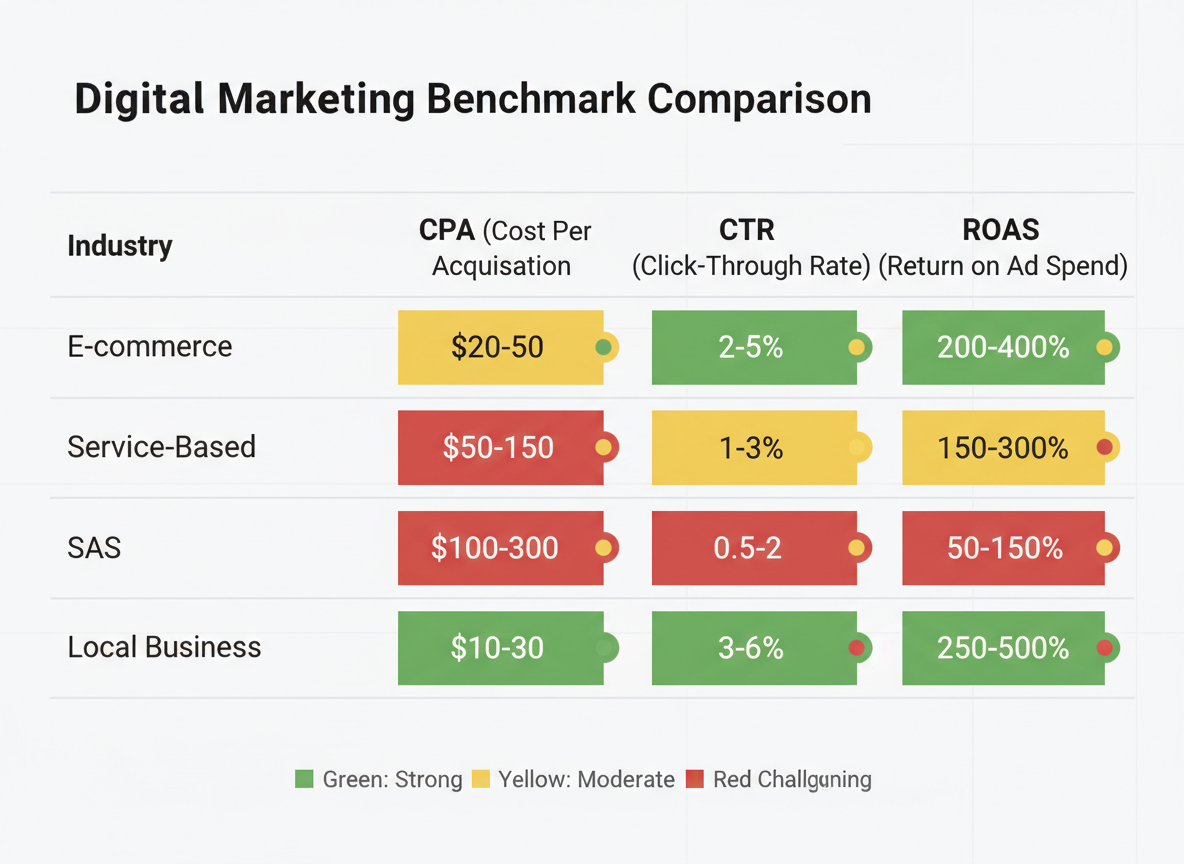
Let’s cut through the noise and look at what’s actually happening in 2026.
E-commerce brands are seeing average CPAs between $18-$42, with CTRs hovering around 1.8-3.2% and conversion rates of 2.1-4.7%. The brands crushing it? Those selling visually interesting products under $100 that solve specific problems. Think skincare, fitness gear, and kitchen gadgets.
Service-based businesses tell a different story. Average cost per lead sits at $35-$89, but here’s what matters—lead quality has improved dramatically. We’re seeing 40-55% booking rates for qualified leads, which beats most Facebook campaigns. If you’re scaling a service-based business, TikTok’s algorithm has gotten scary good at finding people ready to take action.
The real shocker? B2B and SaaS companies are quietly winning. CPLs range from $65-$180, but these aren’t tire-kickers. Close rates on TikTok-sourced leads are outperforming LinkedIn by 23% in multiple verticals we’ve tested.
Local businesses and DTC brands see the widest variance—$12-$95 CPA depending on geography and offer complexity. Coffee shops and boutiques struggle, while home services and specialty retail thrive.
TikTok consistently delivers 30-40% lower CPAs than Instagram for impulse purchases, though Google still owns high-intent search. The platforms aren’t competitors—they’re complementary.
Minimum Budget Requirements: What You Actually Need to Succeed
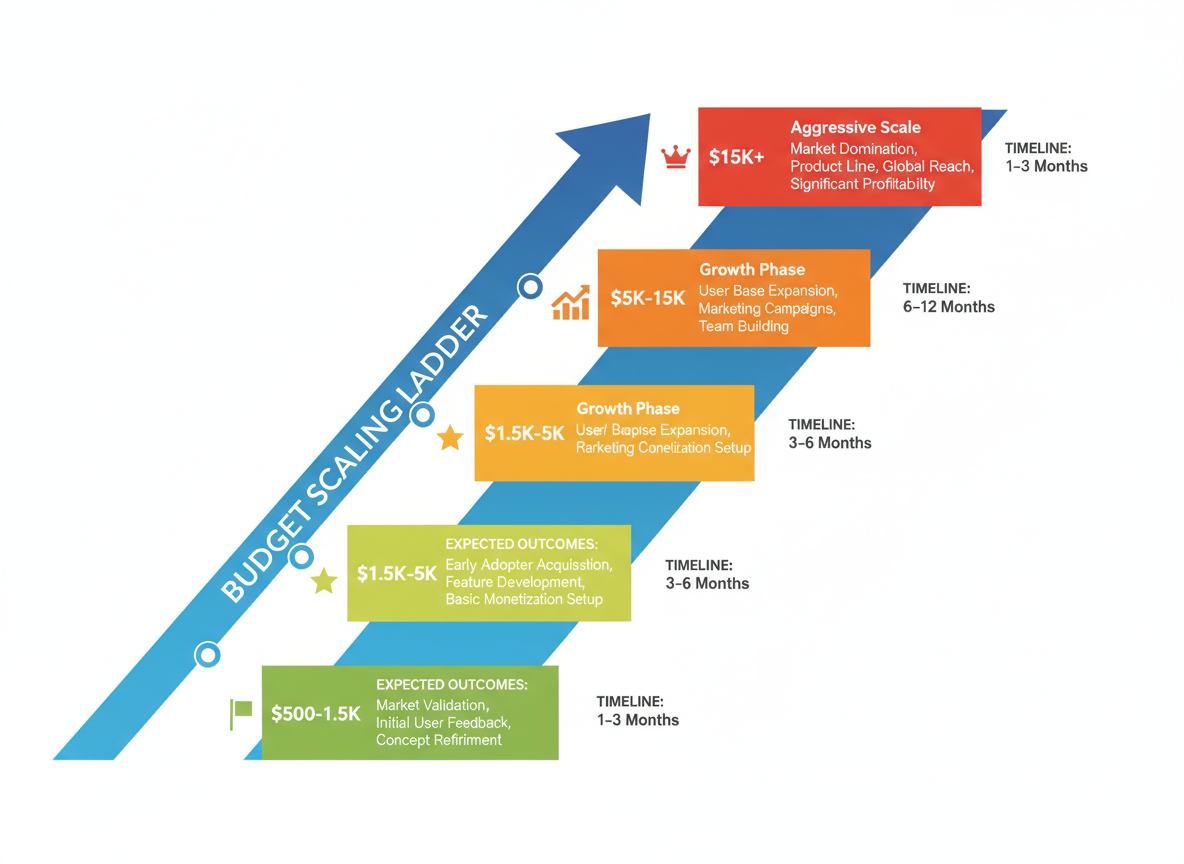
Let’s cut through the nonsense: TikTok doesn’t have some magical $50/day minimum that guarantees results. That’s a quick path to burning cash with zero data to show for it.
Here’s what actually works. You need $500-$1,500 monthly just to test properly and gather meaningful signals. At this tier, you’re learning what resonates, but you’re not scaling yet. Think of it as your education budget.
Once you’ve found winning creative? Budget tiers shift dramatically:
- $1,500-$5,000/month: Testing winners, building initial momentum (2-3 months to profitability)
- $5,000-$15,000/month: Scaling proven campaigns, consistent daily volume (4-8 weeks to optimize)
- $15,000-$50,000+/month: Full-throttle growth mode (profitable within weeks if creative’s dialed)
The biggest mistake founders make? Underfunding while expecting immediate returns. You’ll get incomplete data, inconsistent delivery, and zero pattern recognition from TikTok’s algorithm.
Your budget split matters too. Allocate 70% to media spend, 30% to creative production. Fresh creative fuels everything on TikTok. Skimp on content creation, and even a $30K budget won’t save you.
If you can’t commit at least $500 monthly for three months, TikTok ads aren’t worth starting yet.
TikTok Ad Formats That Actually Convert in 2026
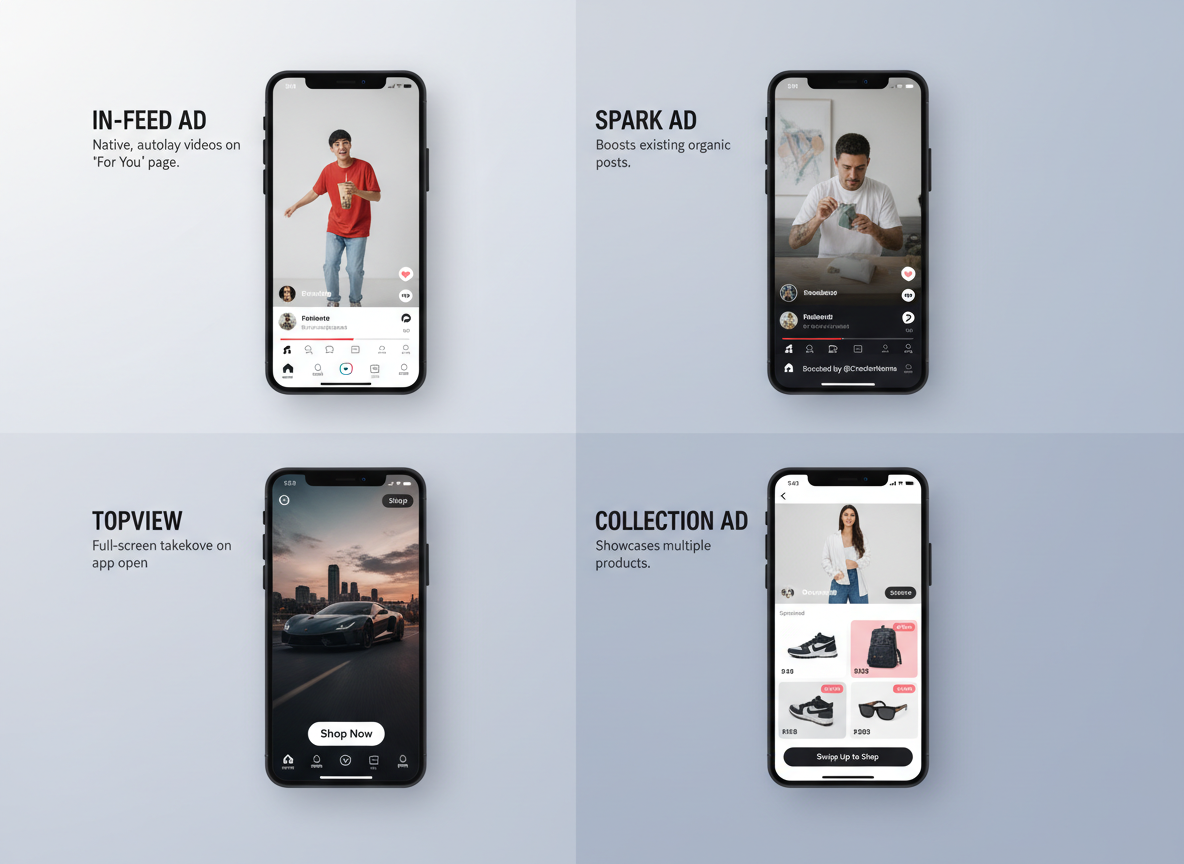
Let’s cut through the noise. Not all TikTok ad formats perform equally, and burning budget on the wrong one can sink your campaign fast.
In-Feed Ads remain the workhorse for most scaling brands. They blend into users’ For You Pages, and when done right, they don’t feel like ads at all. We’ve seen CPAs 40% lower than Spark Ads for cold traffic in some verticals. Use these when you need volume and control over creative testing.
Spark Ads are brilliant—you’re essentially paying to boost content that’s already proven itself organically. They carry the social proof of likes and comments, which translates to 2-3x higher engagement rates. Perfect when you’ve got winning organic content.
TopView and Brand Takeovers? Only worth it if you’re spending $50k+ monthly and need massive reach fast. They’re awareness plays, not performance drivers.
For e-commerce founders, Collection Ads and Dynamic Showcase Ads changed the game in 2025. They let users browse products without leaving TikTok, reducing friction dramatically. We’re seeing conversion rates 65% higher than standard In-Feed ads for product-focused campaigns.
The format matters less than matching it to your funnel stage and creative strength.
Creative Production: The Make-or-Break Factor
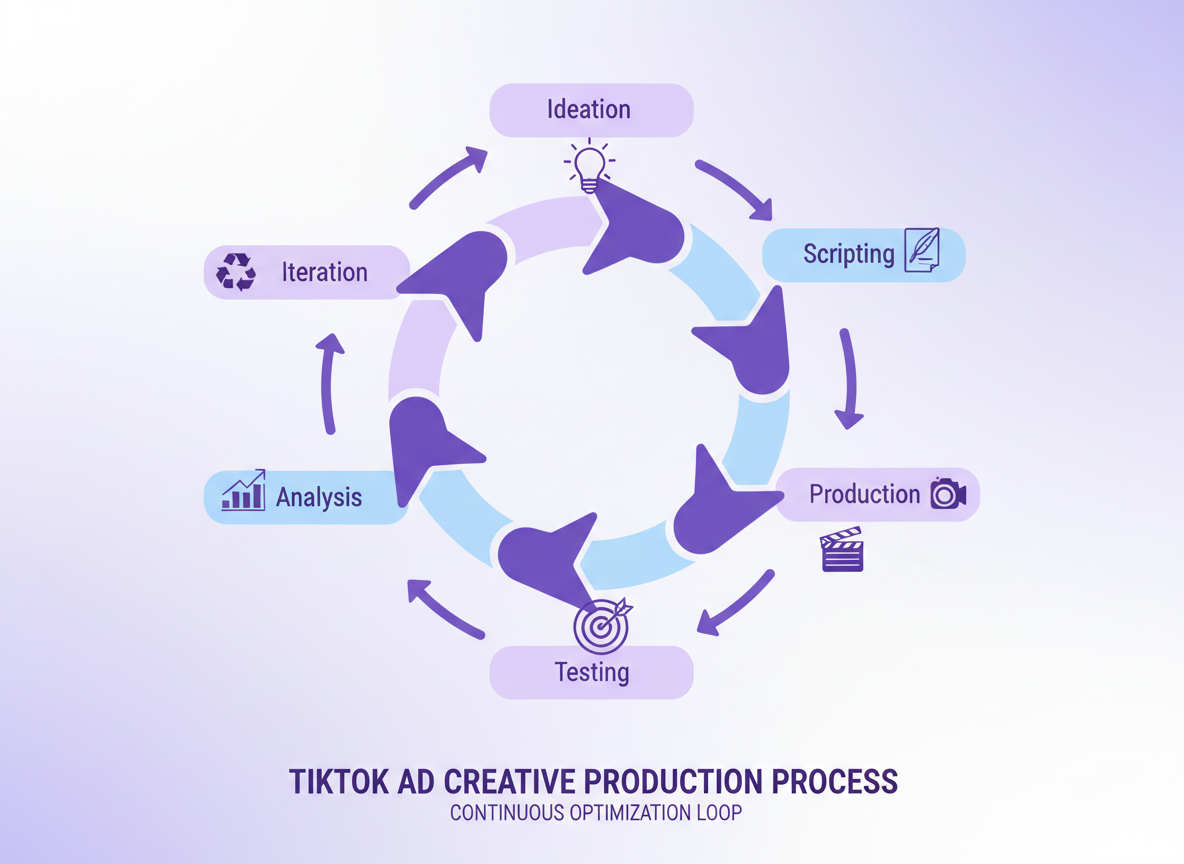
Your Facebook ad playbook won’t work here. TikTok creative operates on completely different physics—polished product shots and testimonial overlays get scrolled past faster than you can say “brand guidelines.”
The platform rewards content that feels like it belongs in someone’s feed, not like an interruption. Think raw iPhone footage, trending sounds, and hooks that grab attention in the first half-second. Your best-performing creative will probably look “unfinished” by traditional standards, and that’s the point.
You’ll need to produce 10-15 creative variations monthly just to stay competitive. TikTok’s creative burnout rate is brutal—content fatigues in 7-14 days, sometimes faster. What worked yesterday gets ignored tomorrow.
Most founders face three production routes: building in-house (time-intensive), hiring agencies ($3-5K monthly minimums), or tapping TikTok’s Creator Marketplace (inconsistent but affordable). The smartest move? Start with your phone and learn the platform’s rhythm yourself before outsourcing.
Winning hooks follow patterns: ask unexpected questions, make bold claims, or show transformation immediately. No three-second logo intros. No fade-ins. Just straight into the value proposition.
Just like Audience First Website Design puts user behavior before aesthetics, TikTok creative prioritizes scroll-stopping power over brand consistency. Founders who can’t stomach that tradeoff shouldn’t bother with the platform.
Targeting and Audience Segmentation: What TikTok Does Differently
TikTok flips traditional targeting on its head. While Facebook lets you layer demographic filters until you’ve got a hyper-specific audience of left-handed dog owners who brew craft beer, TikTok’s strength lies in interest-based targeting powered by behavioral signals.
Here’s what makes it different: TikTok’s algorithm watches how users interact with content, not just what they claim in their profile. It learns patterns faster than you’d expect. You might start with broad parameters like “fitness enthusiasts” or “skincare buyers,” and the platform’s machine learning refines who sees your ads based on engagement and conversion data.
Custom audiences work brilliantly for retargeting site visitors or email lists. Lookalikes perform well, particularly when seeded with your best customers. But here’s the counterintuitive part—broad targeting often outperforms narrow segments on TikTok. The algorithm needs room to explore and optimize.
Make sure your TikTok pixel fires correctly on key pages. Set up frequency caps (3-5 impressions per week) to prevent annoying the same people repeatedly. Exclude recent converters and existing customers unless you’re running retention campaigns. Let the platform’s intelligence work for you instead of micromanaging every demographic detail.
TikTok Pixel Setup and Conversion Tracking (The Technical Foundation)
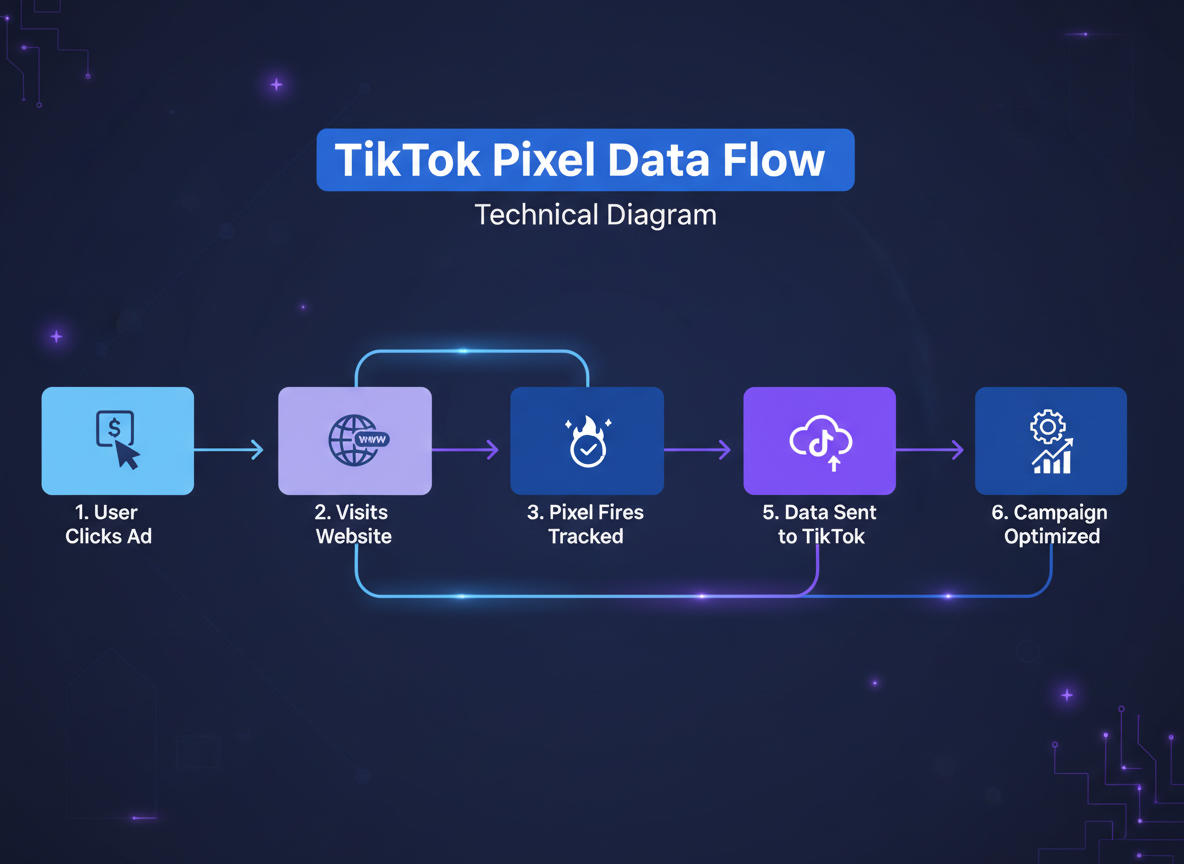
Here’s the truth: your TikTok ads can’t be “worth it” if you’re flying blind on conversions.
Installing the TikTok Pixel properly isn’t optional—it’s your entire measurement system. Head to TikTok Events Manager, create your pixel, and install it across your site. For Shopify users, there’s a one-click integration that handles most of the heavy lifting. WooCommerce requires either the official TikTok plugin or manual installation via Google Tag Manager.
Track the events that actually matter for your business model. E-commerce brands need “Add to Cart,” “Initiate Checkout,” and “Complete Payment.” Service businesses should focus on “Contact” and “Submit Form.” Don’t just track pageviews and call it a day.
TikTok’s default attribution window is 7-day click, 1-day view—which means you’re missing conversions that happen after that window closes. This deflates your reported ROI significantly. Meanwhile, misconfigured pixels often double-count conversions, creating phantom wins.
The most common mistake? Installing the pixel but forgetting to set up custom events. Without proper event mapping, you’re measuring traffic instead of outcomes—and that won’t scale your business.
Campaign Optimization: Bidding Strategies and Scaling Tactics
TikTok’s bidding options aren’t one-size-fits-all, and choosing wrong will torch your budget fast.
Cost Cap works best when you know your target CPA and want volume within that constraint. It’s your go-to for scaling proven campaigns. Bid Cap gives you maximum control but requires constant babysitting—use it when you’re testing new audiences and need strict cost control. Lowest Cost is TikTok’s algorithm on autopilot, great for initial testing when you don’t have enough data yet.
Here’s what most founders miss: Campaign Budget Optimization (CBO) outperforms ad set budgets when you’ve got multiple creatives. Let TikTok’s algorithm distribute budget to what’s working. Ad set budgets make sense when you’re testing specific hypotheses and need isolated data.
For scaling, vertical (increasing budget on winning campaigns) beats horizontal (duplicating campaigns) 80% of the time on TikTok. The platform punishes duplication with audience overlap.
Kill any campaign that doesn’t show promising metrics within 50% of your target CPA after spending 3x your goal cost. Don’t let ego keep dead campaigns on life support—that’s not testing, that’s gambling.
The Hidden Challenges: What Most Articles Don’t Tell You
Let’s talk about the stuff nobody mentions in those polished case studies.
TikTok’s ad approval team can be brutal. Your ads might get rejected for vague “community guideline violations” that make perfect sense on Facebook or Instagram. We’ve seen ads rejected for showing before/after photos, using the word “you” too aggressively, or featuring text overlays TikTok deems misleading. The approval process is inconsistent, and appealing feels like shouting into the void.
Creative fatigue hits twice as fast here. A winning ad that’d run profitably for months on Facebook might burn out in two weeks on TikTok. You’ll need constant fresh content, which means either you’re filming daily or burning serious budget on creators.
Attribution is a nightmare. TikTok users screenshot products, share videos privately, or remember brands but convert days later through Google. Your analytics won’t capture half the impact, making it tough to justify budget to your CFO.
Here’s the uncomfortable truth: TikTok attracts impulse buyers. They convert fast but often have lower lifetime value than high-intent customers who found you through search.
Platform stability remains questionable. Account suspensions happen without warning. If you’re scaling and hiring marketing help, make sure they’ve navigated these minefields before.
ROI Calculation Framework: Is TikTok Worth It for YOUR Business?
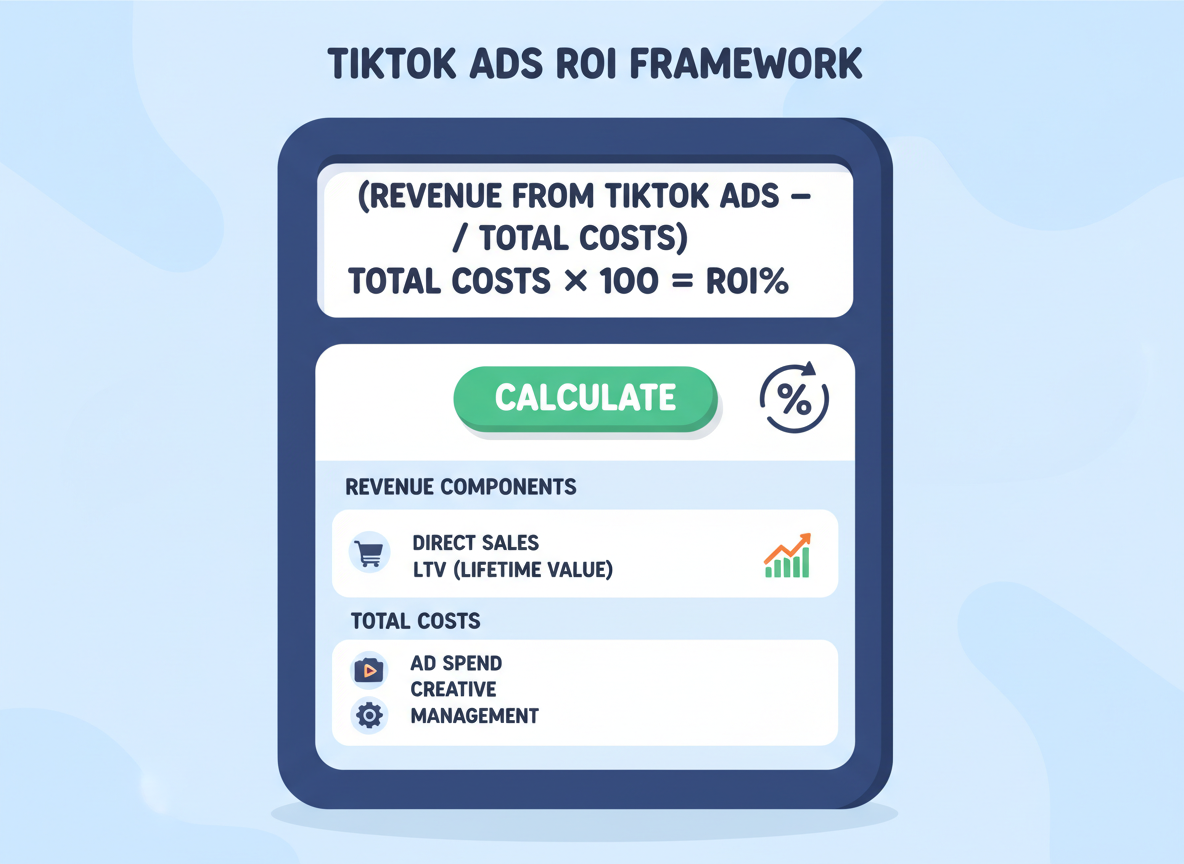
Here’s the real math most founders skip: Your TikTok ad costs aren’t just the media spend. You’ve got creative production ($500-$2,000 per winning asset), management fees (15-20% of spend or $2,000-$5,000 monthly retainers), and the actual ad dollars.
Let’s say you’re spending $10,000 monthly on media. Add $1,500 for creative and $2,000 for management—you’re at $13,500 total. If you’re getting $20,000 in revenue, that’s a 1.48x return. Sounds decent until you factor in your product costs and realize you’re barely breaking even.
The breakeven formula that matters: (Total Ad Costs + COGS) ÷ Average Order Value = Orders Needed to Break Even.
For e-commerce, you need at least 3x ROAS to stay profitable. Service businesses? You can work with 2x if your LTV is solid. Most TikTok-acquired customers need 60-90 days to become profitable, which means your cash flow better support that waiting period. If it doesn’t, TikTok isn’t your move—yet.
Decision Tree: Should You Invest in TikTok Ads Right Now?
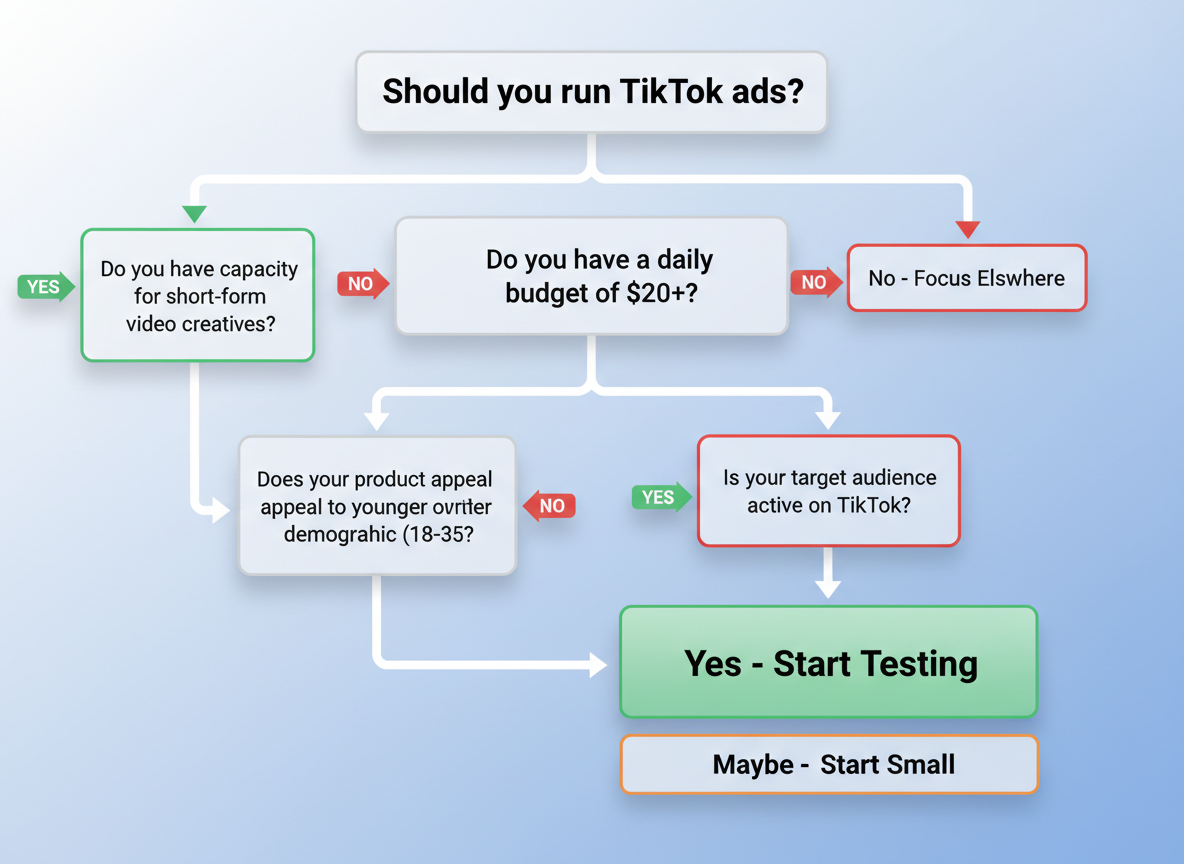
Let’s cut through the noise. Here’s how to know if TikTok ads deserve your budget.
Start with these three questions:
Does your product photograph or film well? If you’re selling abstract services or industrial B2B solutions, you’ll struggle. TikTok rewards visual storytelling. Products that transform (skincare), solve visible problems (organizing tools), or create emotional moments (gifts, experiences) win here.
Is your AOV above $30? Anything lower makes profitability nearly impossible with TikTok’s current cost structure. You need margin to test, iterate, and scale.
Can you produce 10-20 creative assets monthly? One viral ad won’t sustain growth. You’ll need a content engine, whether that’s in-house or outsourced.
Green light indicators: You’ve got strong organic social traction, your audience skews under 45, you can afford $3K-5K monthly testing budgets, and you have someone who understands platform-native content.
Red flags: You’re cash-strapped, selling commoditized products in saturated markets, or expecting immediate ROI without creative testing.
If TikTok doesn’t fit, Meta and Google still dominate for most business models. Your growth strategy frameworks should dictate channel selection, not FOMO.
Month-by-Month Testing Roadmap for TikTok Ad Beginners
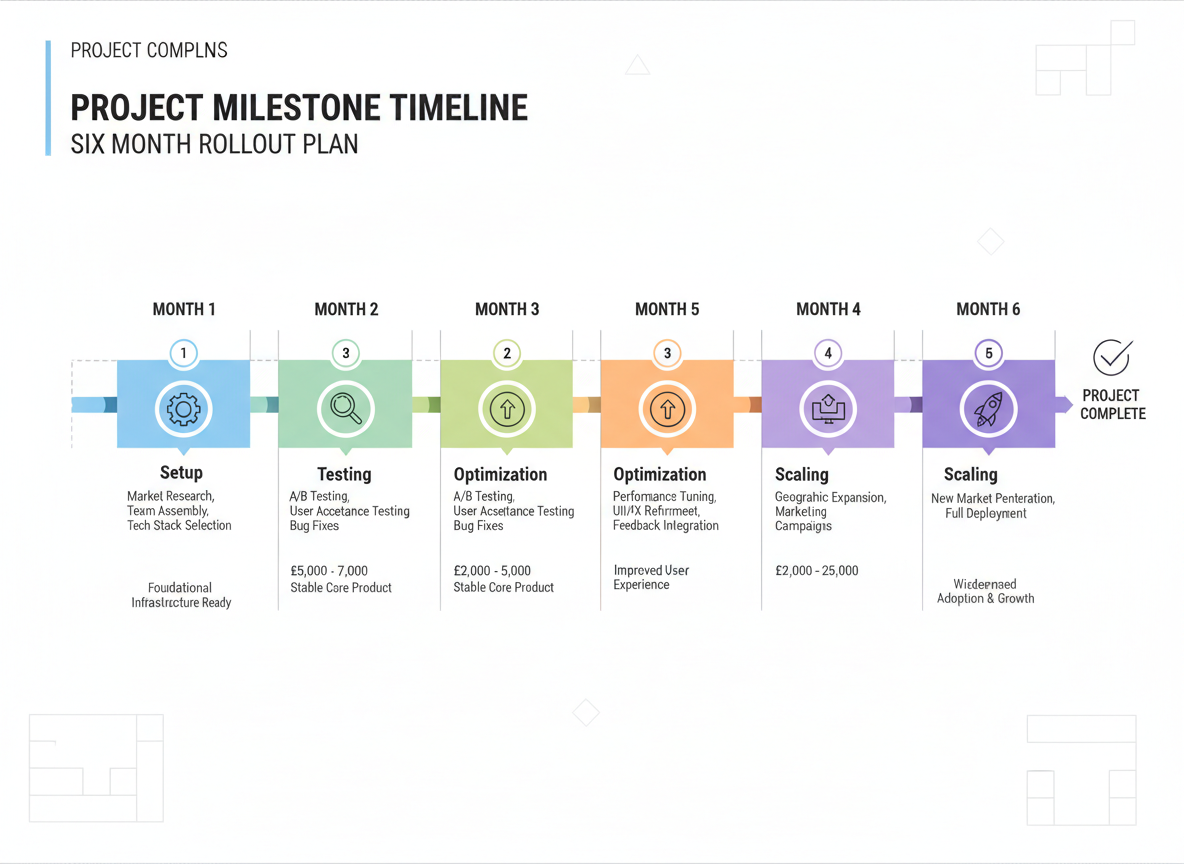
Month 1: Foundation
Install your pixel correctly (seriously, triple-check this), set up conversion tracking, and launch 5-7 creative variations with a $1,000-$2,000 budget. You’re not trying to profit yet—you’re collecting data. Track CTR, CPC, and hook rate (percentage who watch past 3 seconds). Expect to lose money here. That’s normal.
Month 2: Pattern Recognition
Kill the losers ruthlessly. Triple down on your top 1-2 performers and create 3-5 variations of each winner. Increase budget by 20-30%. You should start seeing CPAs stabilize. If your best creative still costs 3x more than you can afford, pivot the offer or angle.
Month 3: Scale Intelligently
Launch retargeting campaigns for website visitors and video viewers. Increase daily spend by 50% on proven winners. You should hit breakeven or slight profitability this month if your offer’s solid.
Months 4-6: Growth Mode
Expand to new audiences, test UGC creators, and build a creative pipeline. Profitable campaigns should scale to $5,000+ monthly spend. If you’re not profitable by month 6, the platform probably isn’t your channel—and that’s okay.
How AI-Powered Marketing Changes the TikTok Ads Game
Here’s what makes Aligned Agency different: we’ve built AI systems that manage TikTok campaigns with a speed and precision no human team can match. While traditional agencies rely on manual optimizations once or twice a week, our AI analyzes your campaigns every hour, making micro-adjustments that compound into serious performance gains.
The real advantage? AI handles creative testing at scale—running dozens of variations simultaneously and predicting winners before you’ve spent your budget learning what doesn’t work. It pulls audience insights you’d miss, surfaces targeting opportunities buried in the data, and automates the tactical grind that usually eats your time.
For founders, this means you’re not stuck in the weeds of ad management. You focus on strategy and growth while AI executes relentlessly. Our clients typically see 30-40% better ROAS compared to their previous manual campaigns, not because we’re marketing geniuses, but because machines don’t sleep, don’t guess, and don’t let winning ads sit unscaled.
Want to see how the best AI marketing agencies actually operate? It’s automation that works for you, not theory that sounds impressive.
Final Verdict: Are TikTok Ads Worth It in 2026?
Here’s the truth: TikTok ads absolutely work—but only if you’re set up for success.
You need three things: visual products that pop on screen, a minimum $1,500 monthly budget (realistically $3,000+ for scaling), and the creative capacity to produce native-looking content consistently.
If you’re underfunded, in a heavily regulated industry, or relying on static images from 2019, save your money. TikTok won’t fix bad fundamentals.
But if you’ve got the goods? There’s still a competitive window here before the platform becomes as saturated as Facebook. The cost-per-acquisition numbers we’re seeing now won’t last forever.
Your move is simple: be strategic. Don’t jump in because everyone else is. Jump in because your business model aligns with what works on TikTok. Need help inspiring clients to say yes to your offer with TikTok’s reach? We’ll help you figure out if it’s the right play—or tell you straight if it’s not.
Frequently Asked Questions
There’s no fixed rate. Most DTC brands see CPAs between $15-$45 depending on industry, with fashion and beauty on the lower end and tech products higher. You’ll need at least $20 daily per campaign for the algorithm to learn properly.
You’ll get initial performance data in 2-4 weeks, but real optimization takes 3+ months. Don’t expect profitability on day one—this isn’t a lottery ticket.
You’ll get initial performance data in 2-4 weeks, but real optimization takes 3+ months. Don’t expect profitability on day one—this isn’t a lottery ticket.
Surprisingly, yes—especially for SaaS tools, professional services targeting younger decision-makers, and anything solving urgent pain points. We’ve seen success with B2B brands who embrace native, educational content instead of corporate-speak.
Aim for 3x+ to be profitable after expenses. Top performers hit 4-6x consistently, but don’t expect those numbers immediately.
Every 7-14 days. Creative fatigue hits faster on TikTok than other platforms because users scroll so quickly.
Absolutely. Product demos, UGC from customers, text-on-screen hooks, and lifestyle B-roll all work. Faces help but aren’t mandatory.
Depends on your audience and product. TikTok wins for younger demographics and impulse purchases. Facebook still dominates for older audiences and considered purchases.




Leave a Reply
Your email is safe with us.